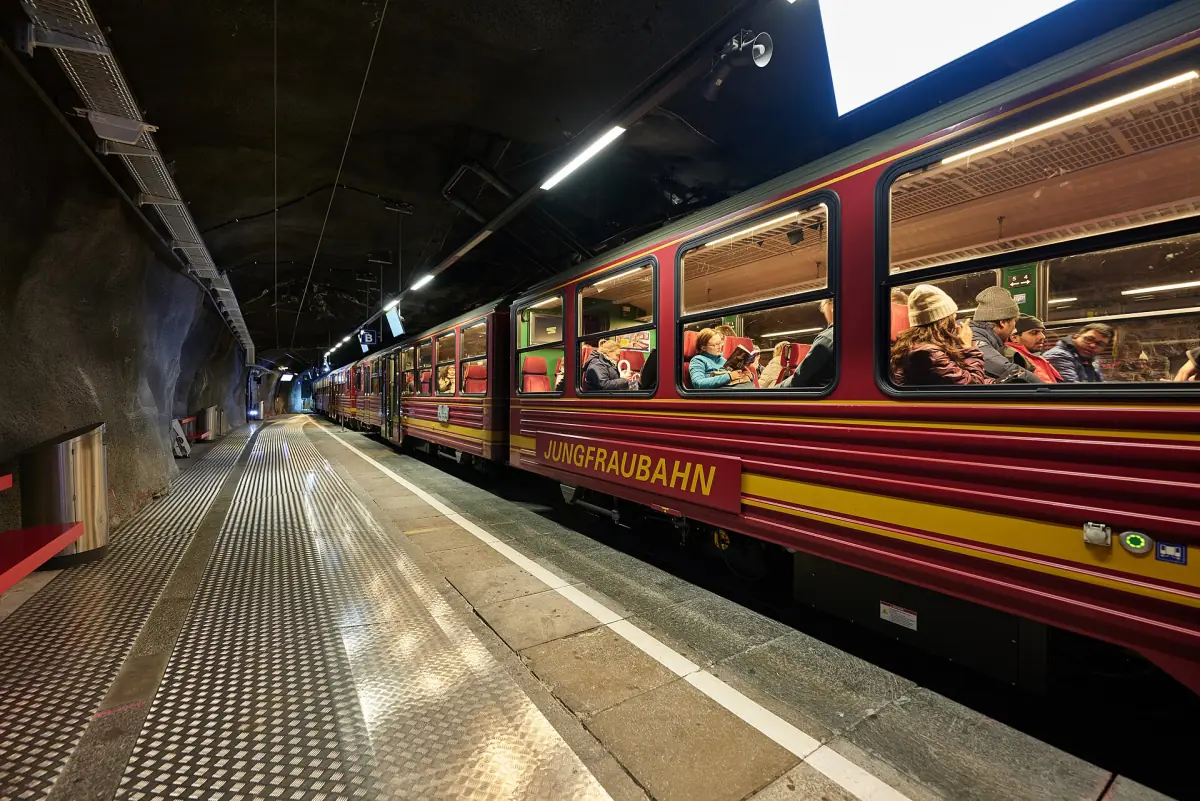
The Jungfrau Railway in short
The Jungfrau Railway is a rack railway that starts at Kleine Scheidegg and ends at the Jungfraujoch. Of its 9.34 kilometres, 7.6 are tunnel through the Eiger and the Mönch. Trains have run on three-phase electric power and a rack rail for the whole length since 1951.
In 1912 the trip from Kleine Scheidegg took 1¼ hours. Today the section from Eigergletscher to the top takes 25 to 26 minutes, and from Kleine Scheidegg it takes 43 to 44 minutes. Passengers board at one of these two stations, after arriving by the Eiger Express or the Wengernalp Railway.
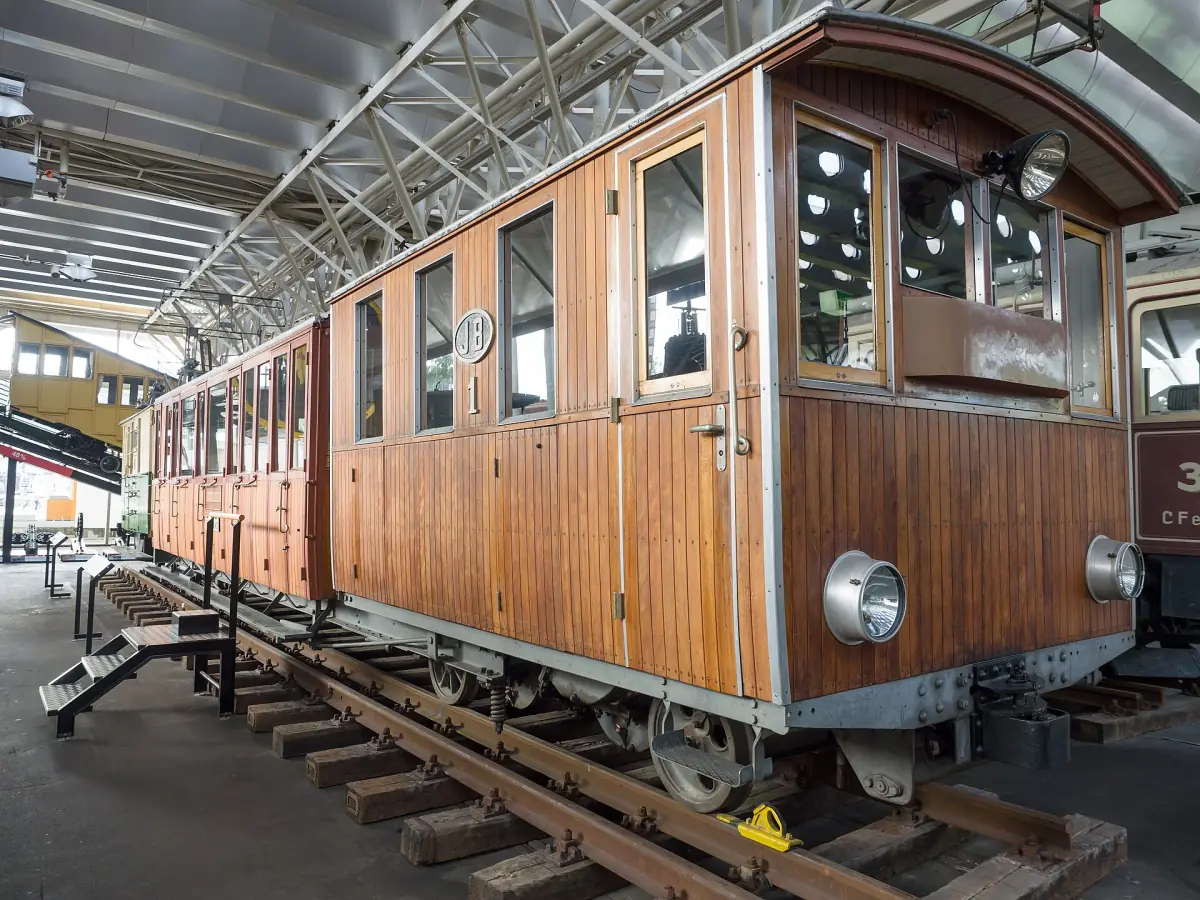
History of the Jungfrau Railway
From the first concession to the breakthrough at the Jungfraujoch. The dates below come from the railway's own construction history.
| Year | Event |
|---|---|
| 1894 | Adolf Guyer-Zeller receives the concession on 21 December. |
| 1896 | Construction starts on 27 July with the groundbreaking. |
| 1898 | The line reaches Eigergletscher on 19 September. |
| 1899 | Guyer-Zeller dies on 3 April, before the line is finished. |
| 1903 | The line reaches Eigerwand at 2,865 metres on 28 June. |
| 1905 | The line reaches Eismeer at about 3,160 metres on 25 July. |
| 1912 | The tunnel breaks through at the Jungfraujoch on 21 February. The railway opens later that year. |
Guyer-Zeller did not live to see his plan completed, and the work carried on without him. 30 workers died during construction. Today a corridor at the top, the Alpine Sensation, remembers them with 30 memorial plaques. Sources do not agree on the exact day of the 1912 opening, so this guide gives only the year.
Jungfraujoch tickets and tours
Day trips and tickets that include the Jungfrau Railway, with live prices and availability.
We may earn a commission when you book through links on this page, at no extra cost to you.
Technical data
The figures in one place.
| Feature | Value |
|---|---|
| Route | Kleine Scheidegg to Jungfraujoch |
| Length | 9.34 km, of which 7.6 km tunnel |
| Gauge | 1,000 mm |
| Maximum gradient | 250 per mille |
| Power | Three-phase current, 1,125 V |
| Drive | Rack railway, over the whole length since 1951 |
| Kleine Scheidegg | 2,061 m |
| Eigergletscher | 2,320 m |
| Eismeer | about 3,160 m |
| Jungfraujoch | 3,454 m |
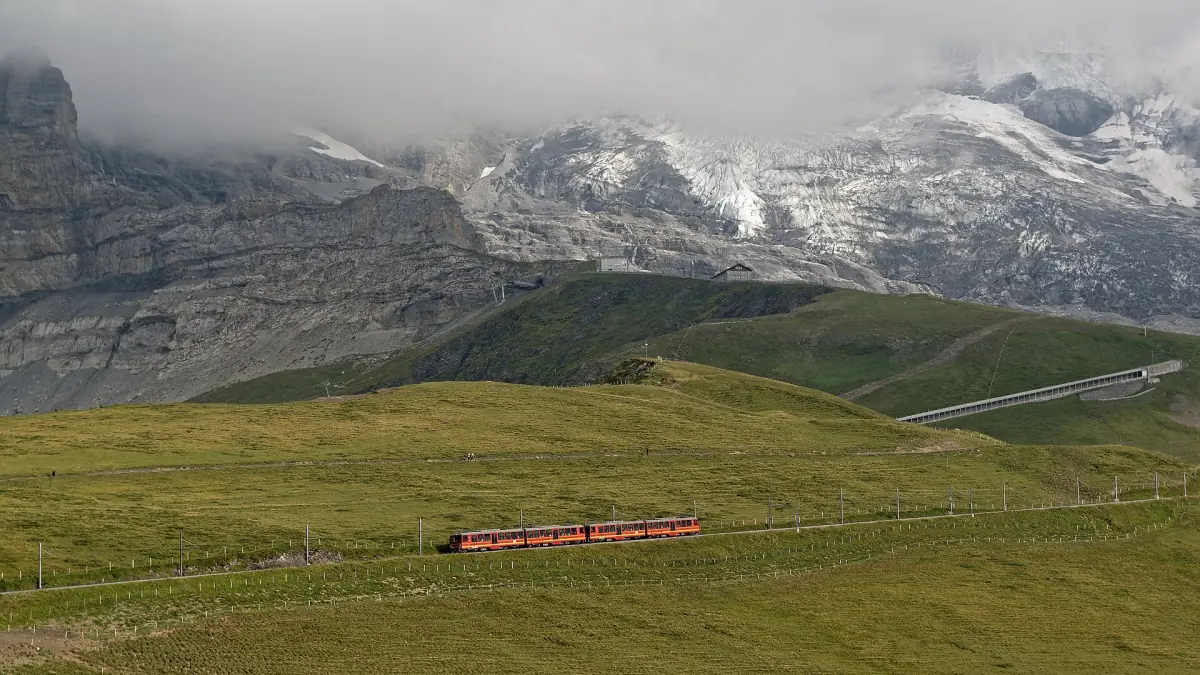
The Eismeer stop inside the Eiger
The stop on the way up, where you look out from inside the mountain.
What you see
At about 3,160 metres the train halts at the Eismeer window inside the Eiger. The stop is there for photos.
How long
The train waits five minutes in 2026. The stop is not always guaranteed. If the train is running late, it can be skipped.
Seat reservation and tickets
The reservation is a separate fee, but you rarely notice it if you buy the return ticket online.
CHF 10 per person
The reservation is valid on the Jungfrau Railway from Eigergletscher or Kleine Scheidegg and back. It is mandatory from 1 May to 31 October 2026. From 1 November it is no longer required, but recommended on clear days.
Where to book
For a return trip the reservation is available online only. For a single trip you get it at the counter. The 2026 summer prices already include it, for example CHF 271.20 return from Interlaken Ost.
Ticket prices →Children and dogs
In summer each child needs the reservation too. Dogs travel free, except on Eigergletscher to Jungfraujoch, where they cost CHF 30.
Where to go next
The railway is one part of the trip. These pages cover the rest.
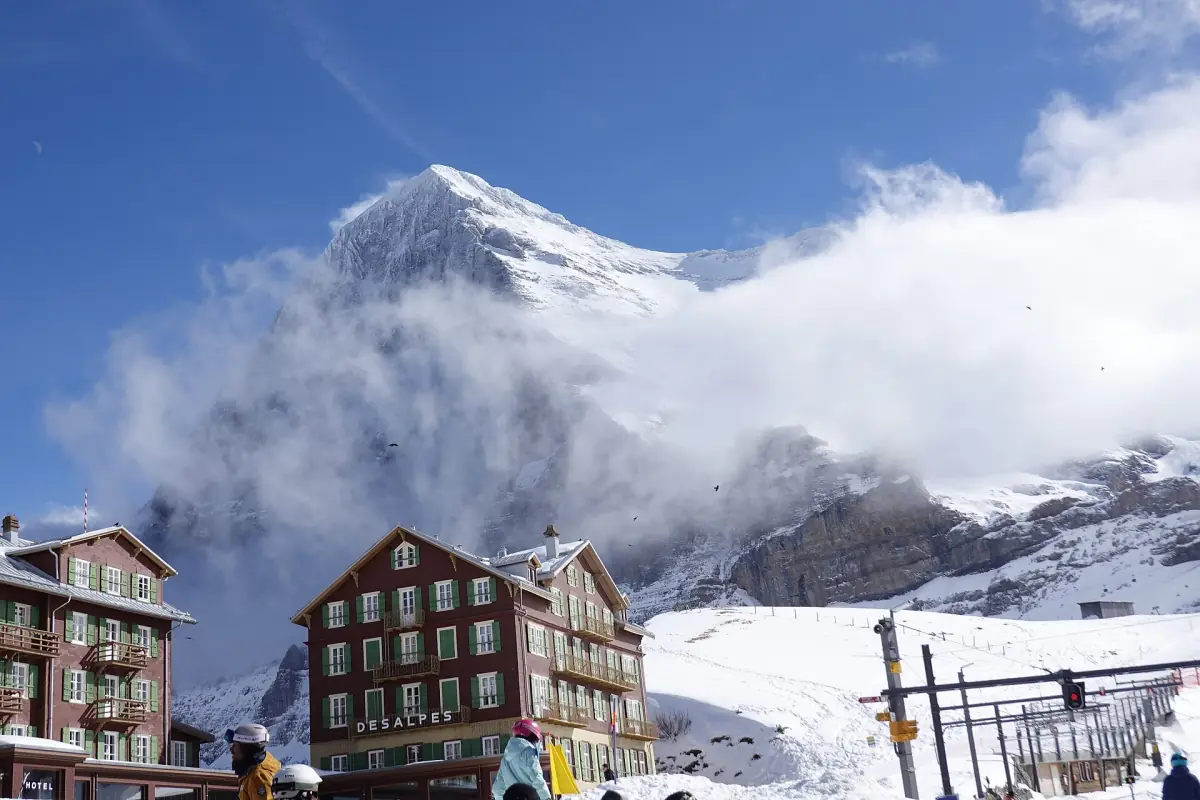
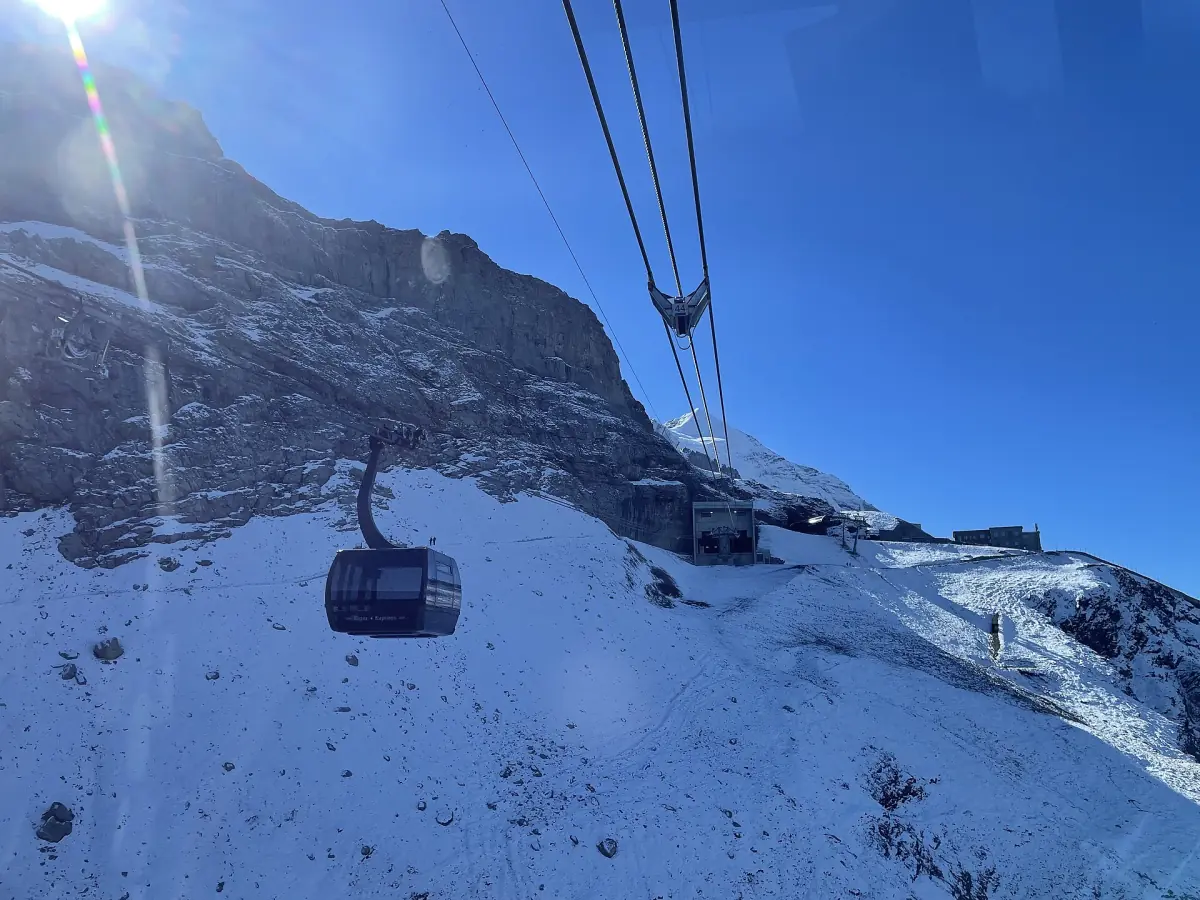
Kleine Scheidegg
The junction where the Jungfrau Railway starts, 43 to 44 minutes below the top.
Getting there from Interlaken
The fast route in 1 hour 37 minutes and the classic one in about 2 hours 7 minutes.
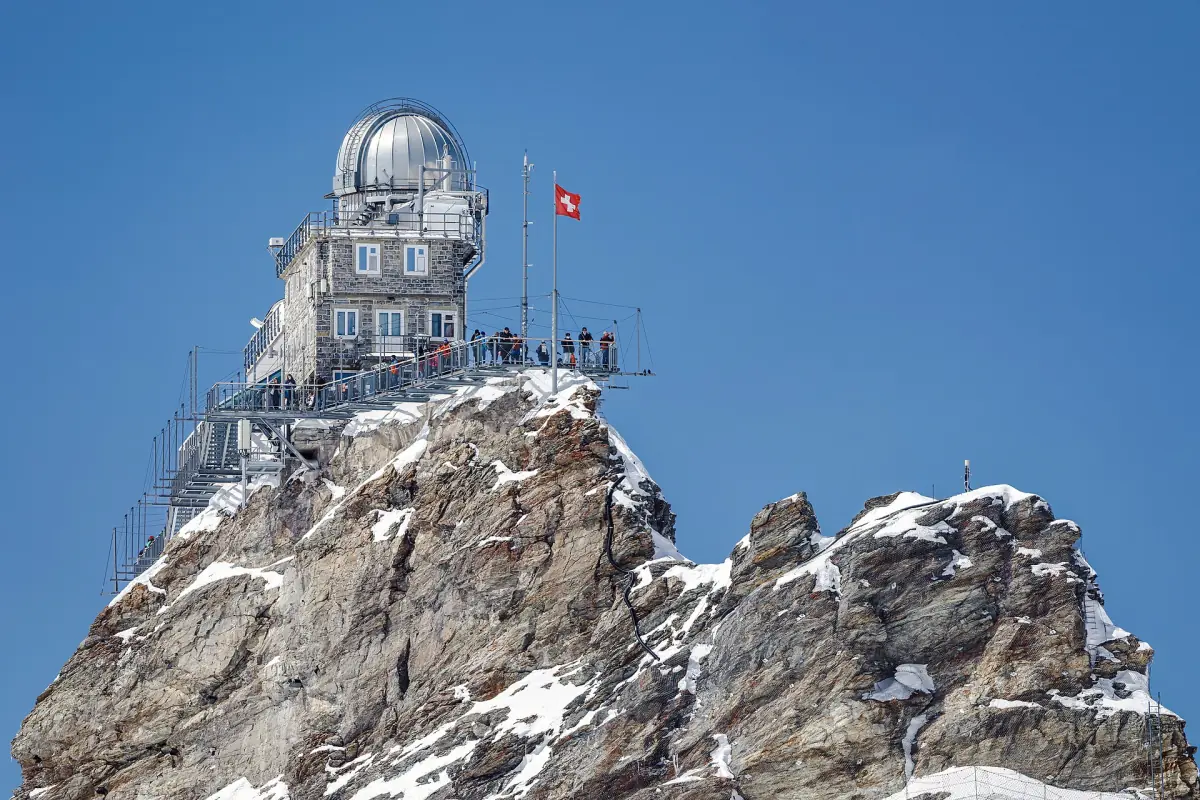
Sphinx Observatory
The terrace at 3,571 metres and the Discovery Tour stops with times.
Riding the railway: what to expect
Times and timetable points that matter on the day.
Two boarding points
You can board at Kleine Scheidegg, the junction of the Wengernalp Railway. Eigergletscher is 5 minutes further up the line, and it is where the Eiger Express from Grindelwald Terminal arrives. The train from Eigergletscher to the top takes 25 to 26 minutes.
First and last trains
The first train from Interlaken Ost leaves at 7:04, in high summer also at 6:34. Trains run back down from the Jungfraujoch every 30 minutes during the day. The last descent on 15 August was at 18:15, on 10 November at 16:41. Check the timetable for your date.
Autumn maintenance
Feeder lines close for maintenance in autumn. The Eiger Express is out from 9 to 20 November 2026, and the Jungfrau Railway itself ran on every date checked up to the end of December.
Jungfrau Railway: frequently asked questions
How long does the Jungfrau Railway take?
From Eigergletscher to the Jungfraujoch it takes 25 to 26 minutes, and from Kleine Scheidegg 43 to 44 minutes. In 1912 the journey from Kleine Scheidegg took 1¼ hours.
When was the Jungfrau Railway built?
The concession dates from 21 December 1894 and the groundbreaking from 27 July 1896. The tunnel broke through at the Jungfraujoch on 21 February 1912, and the railway opened in 1912.
How many workers died building it?
30 workers died during the 16 years of construction. A corridor at the top, the Alpine Sensation, has 30 memorial plaques for them.
Does the train stop on the way up?
Yes, at the Eismeer window inside the Eiger, at about 3,160 metres. The stop lasts five minutes in 2026, but it is not always guaranteed and can be dropped when the train is delayed.
Do I need a seat reservation?
Yes, from 1 May to 31 October 2026 the reservation for CHF 10 per person is mandatory. From 1 November it is recommended on clear days, not required.